
Shares of fuboTV (NYSE: FUBO) opened higher and briefly traded up more than 4% after the company announced it had reached a new distribution agreement with NBCUniversal, putting an end to a blackout that had stripped the platform of major sports and entertainment networks for roughly six months. By the time the early excitement settled, the stock leveled off at $10.16, a more modest 1.8% gain from the prior close — a pattern that tells you almost as much about Fubo’s recent trading behavior as the deal itself does.
What subscribers actually get back, and when
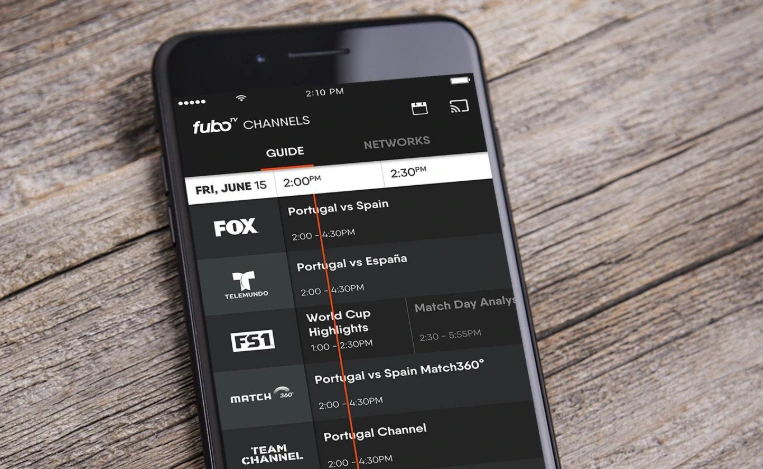
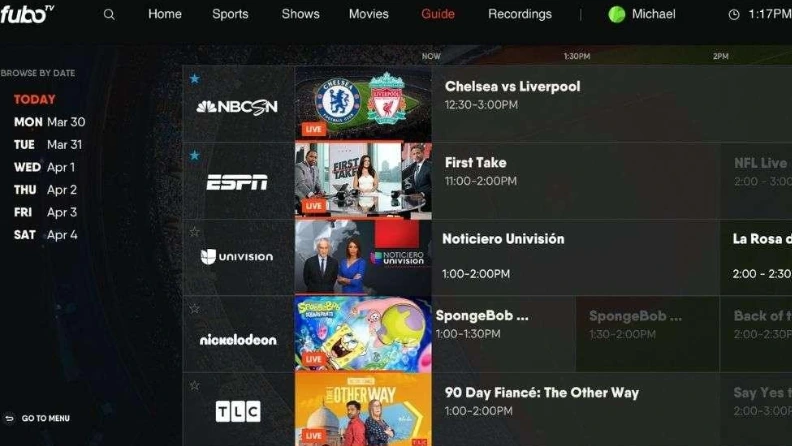
The agreement doesn’t flip every switch at once. Spanish-language viewers see the change first: Telemundo and Universo are live again immediately, timed to land just before the 2026 World Cup kicks off, which matters for a streamer that built part of its identity around live sports coverage. English-language programming follows on a slower clock. NBC, Bravo, and a newly launched NBC Sports Network are set to roll out over the coming weeks rather than landing on day one. For current subscribers, that means the most visible benefit, World Cup coverage in Spanish, arrives right away, while the broader NBC lineup remains a promise rather than a switched-on feature for now.
Why the blackout happened in the first place
The dispute traces back to a contract that lapsed without renewal late last year, when the two companies couldn’t agree on pricing and packaging terms. NBCUniversal was pushing for commitments tied to cable networks slated to spin off into a separate company, and Fubo balked at terms it said would have forced price increases onto subscribers that other distributors weren’t being asked to absorb. That backstory matters because it explains why the resolution reads as a genuine business win rather than a routine renewal: Fubo effectively held its ground through six months without that content, absorbing whatever subscriber churn resulted, before getting a deal it found acceptable.
Why the stock barely moved despite “good” news
A 1.8% close might look underwhelming for a company finally settling a high-profile carriage dispute, but Fubo’s trading history puts that reaction in context. The stock has logged 43 moves greater than 5% over the past year alone, which means single-digit swings are closer to background noise than headline events for this name. A move that size signals the market sees the NBCUniversal news as meaningful, just not significant enough to change how investors are pricing the underlying business. That’s a different read than a stock with low historical volatility making the same move; here, the muted reaction is itself informative about how the market currently weighs the news.
The bigger picture behind Fubo’s stock price
Zoom out from the day’s trading and the chart tells a tougher story than one positive headline can fix. Fubo is down 67.3% since the start of the year, and the current share price sits 81.4% below its 52-week high of $54.72, set back in September 2025. Part of that gap reflects a reverse stock split earlier in the year that reset the per-share price higher without changing the underlying value of the business, but the bulk of the decline tracks real pressure: subscriber trends that disappointed in the company’s most recent quarterly report, much of it tied directly to the months-long absence of NBCUniversal content. An investor who put $1,000 into Fubo shares five years ago would be sitting on roughly $28 today, a reminder that resolving one dispute doesn’t automatically repair a multi-year trend.
What to watch from here
The near-term signal worth tracking isn’t the stock price reaction from today, it’s subscriber data tied to the World Cup window now that Telemundo and Universo are back in the lineup, since that’s the first real test of whether restored programming translates into retained or returning customers. The second marker is the actual rollout date for NBC, Bravo, and NBCSN; until those networks go live, Fubo’s English-language package still has a hole in it that this announcement only partially fills. Investors weighing the stock should treat the carriage resolution as one input among several, not as confirmation that the broader subscriber and pricing pressures behind this year’s decline have been resolved.





 Deutsch
  English
  Français