

Archer Aviation stock jumped close to 10% during Monday’s session, June 15, after Washington and Tehran confirmed a preliminary agreement to end their months-long conflict. Shares of the eVTOL developer, which trades under the ticker ACHR on the NYSE, rode a broad market rally that pushed the S&P 500, Dow Jones Industrial Average, and Nasdaq Composite all sharply higher on the same headline. The move marked one of Archer’s strongest single-day gains in weeks, though the stock is still down roughly 26% for 2026 — a reminder that a geopolitical relief rally doesn’t erase months of pressure on a pre-revenue growth name.
Today’s pop in Archer Aviation stock is a macro story, not a company story. Investors holding the stock for the long-term eVTOL business shouldn’t read too much into a single session driven by oil prices and rate expectations. Traders chasing the move carry real exposure if talks between Washington and Tehran stall before the agreement is formally signed later this week. Anyone weighing a new position should look past the headline and check Archer’s cash runway and certification timeline first, since those numbers will matter far more to the stock’s direction over the next year than one day of geopolitical relief.
Why the Iran agreement moved the whole market

The framework announced Monday extends the existing ceasefire and opens a 60-day window for negotiators to work through Iran’s nuclear program, missile restrictions, and sanctions relief, with a formal signing expected in Switzerland later in the week. Markets had spent more than three months pricing in the risk that the conflict would keep the Strait of Hormuz partially closed, choking off oil shipments and keeping energy costs elevated. The prospect of that route reopening sent oil prices down sharply and gave equity investors a reason to bid up the same growth names that had been punished hardest by rising rate-cut uncertainty.
Why a stock like Archer moves harder than the index
Archer doesn’t generate meaningful revenue yet, which means its valuation rests almost entirely on the market’s willingness to look years into the future and discount expected cash flows back to today. That discount rate is directly tied to where investors think interest rates are headed. When oil prices spike and inflation expectations rise, the market assumes the Federal Reserve will hold rates higher for longer, and the present value of Archer’s distant profits shrinks. Reverse that logic — oil drops, inflation cools, rate-cut odds improve — and the same math works in the other direction, amplified by a beta north of 2.5 that makes ACHR move far more violently than the S&P 500 on days like this one.
What this means for the Fed’s next move
The Federal Reserve has held its benchmark rate at 3.50%-3.75% through multiple meetings this year, with inflation running around 4.2% year-over-year as of May, driven largely by energy costs and tariff pass-through. A Reuters poll taken earlier this month found most economists expecting the Fed to keep rates unchanged for the rest of 2026, with the next realistic cut pushed into 2027. An Iran deal that holds and genuinely lowers energy costs would help that inflation read move toward target faster, giving the Fed more room to ease sooner. It’s not a guarantee, but it’s the channel through which today’s geopolitical news translates into a lower discount rate for stocks like Archer.
The business case beneath today’s headline
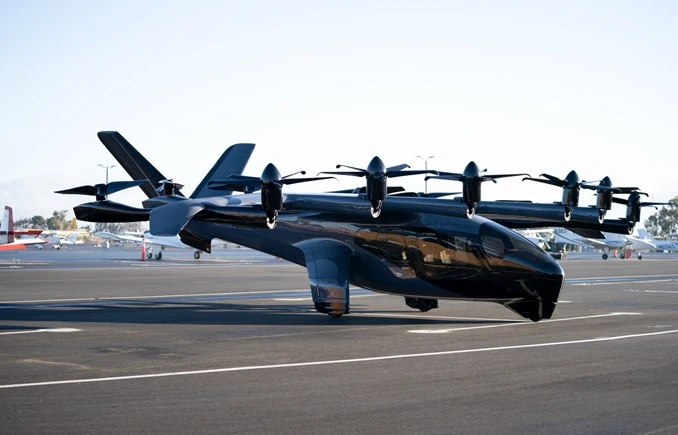
Strip out the macro noise and Archer’s underlying numbers tell a more mixed story. The company’s first-quarter 2026 results showed roughly $1.6 million in revenue against a net loss near $217.7 million, translating to a loss of about $0.28 per share — a result that actually beat analyst estimates of a $0.31 loss. On the certification side, Archer has completed Phase 3 of the FAA’s four-phase Type Certification process for its Midnight aircraft, a milestone that keeps its timeline toward commercial operations later this year intact. The company has also been building out a defense and dual-use aircraft program with Anduril, broadening its revenue path beyond passenger air taxis. Cathie Wood’s ARK Investment added roughly 281,000 shares in a single session this month, and Canaccord maintained its Buy rating while trimming its price target from $13 to $12 after the Q1 print — a sign that institutional sentiment, while cautious, hasn’t turned bearish.
What could send the stock back down
The biggest near-term risk is straightforward: the agreement is still a memorandum of understanding, not a finalized treaty, and Iran’s government has walked back similar announcements before. Any sign that the formal signing slips or that hostilities resume would likely erase today’s gains and then some, given how much of the move was sentiment-driven rather than fundamentals-driven. Beyond geopolitics, Archer carries the structural risks common to pre-revenue aerospace companies — continued heavy cash burn, the possibility of further share dilution to fund operations through commercial launch, and a certification process that has slipped before and could slip again.
Should you buy Archer Aviation stock right now?
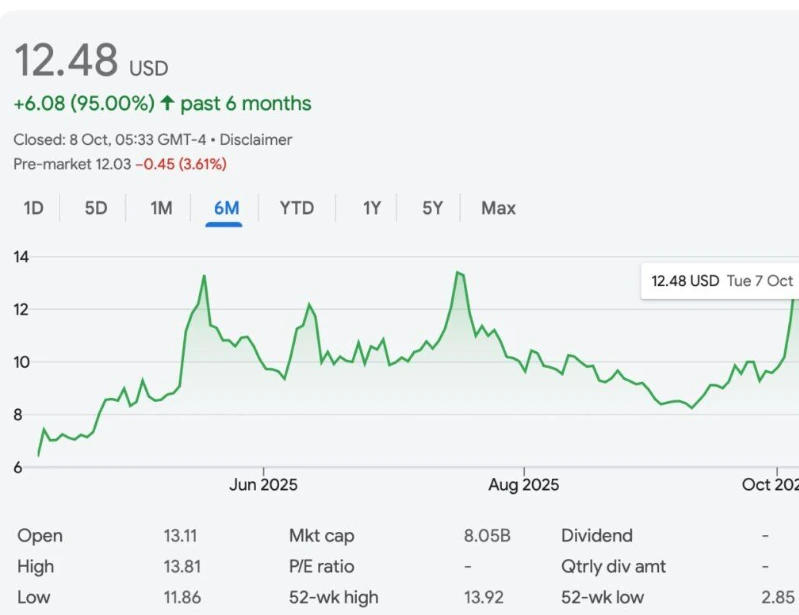
If you already hold ACHR for the eVTOL thesis, today’s rally doesn’t change the underlying bet — it’s still a pre-revenue company racing toward certification with a defense partnership as a backstop. If you’re considering a new position because of the headline, wait for the Friday signing and watch how oil prices behave in the days after; that will tell you more about whether this is a durable shift or a fading relief trade. Either way, treat the FAA certification calendar, not the geopolitical news cycle, as the metric that actually determines where this stock trades a year from now.
Is Archer Aviation stock a good buy after today’s jump?
It depends on your time horizon. The jump reflects macro relief, not a change in Archer’s business fundamentals, so investors should weigh the company’s cash burn and certification progress rather than chasing the day’s move.
Why is Archer Aviation stock down so much in 2026?
ACHR has traded lower for most of the year as rising rates, persistent inflation, and broad pressure on unprofitable growth stocks weighed on its valuation, even as the company made steady progress toward FAA certification.
Could the Iran deal actually lower interest rates this year?
Not immediately. The Fed has signaled it plans to hold rates steady through 2026, with most economists expecting the first cut in 2027. A lasting drop in energy prices could speed that timeline, but it wouldn’t change the Fed’s near-term stance on its own.





 Français
  English
  Deutsch